
Visual Merchandising Is a Commercial Discipline, Not Just a Creative One
Visual merchandising needs commercial context
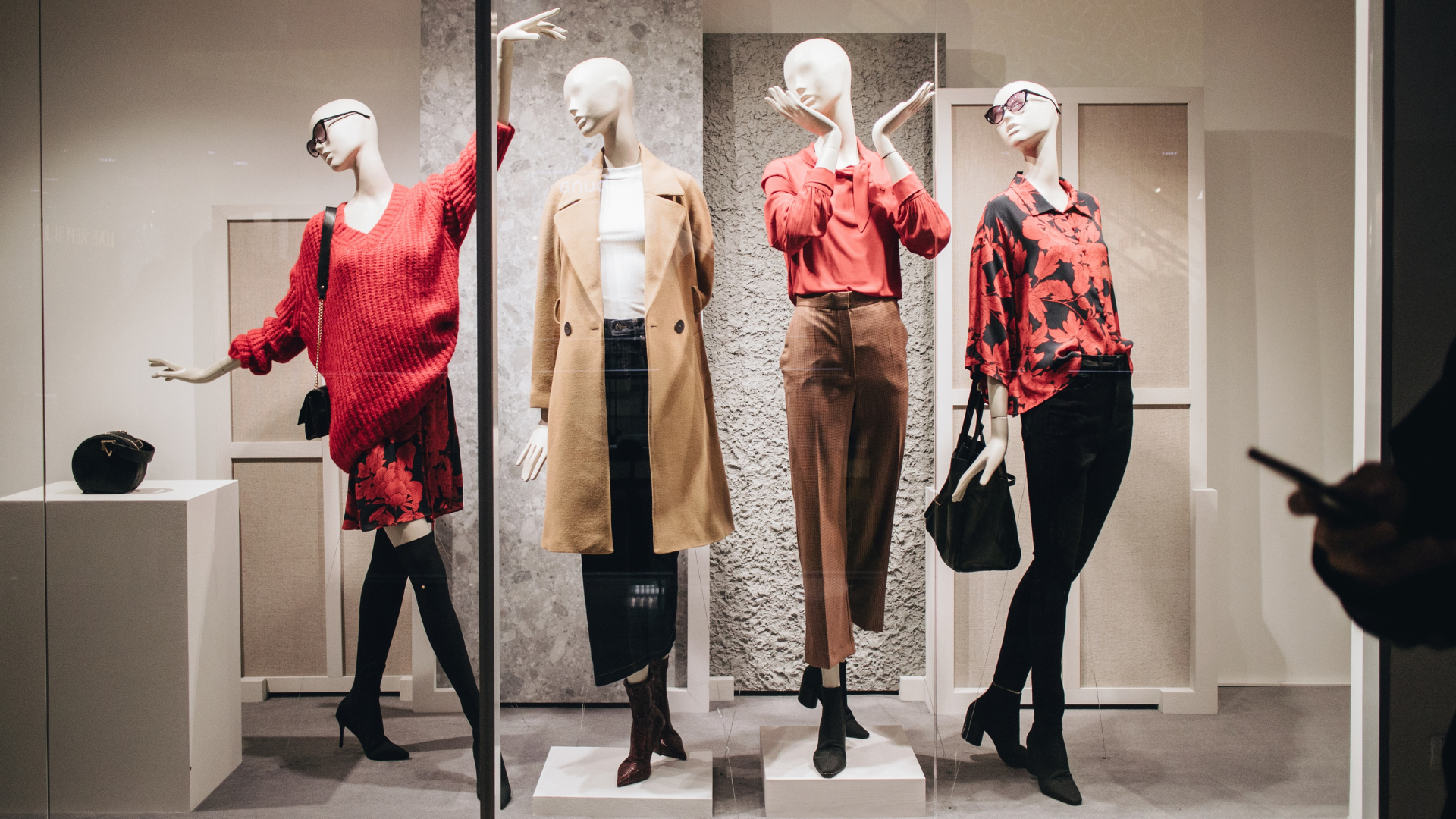
In luxury retail, visual merchandising expresses the brand, guides customers and supports a considered experience. Proportion, materials, lighting, spacing, windows and service cues shape how customers understand the proposition. Successful visual merchandisers need visual authority and commercial judgement.
The work is often discussed as if the creative idea is the finish line. In practice, the customer sees the result only when the concept survives stock constraints, installation, replenishment, store architecture and the pace of trading. A visually strong idea that cannot be maintained will not deliver its full value.
Creativity needs context
A display can look beautiful yet hide product, slow replenishment or miss the trading priority. Strong teams work with operations, buying, marketing and store leadership. Candidates should explain the customer or commercial objective, constraints and evidence used to judge success. Measures may include sell-through, availability, dwell, conversion or feedback, interpreted alongside brand experience.
A useful brief names priority products, intended customer, trading dates, constraints and non-negotiables such as brand codes, accessibility and safe movement. This helps creative and commercial colleagues engage early. It also gives the team a shared basis for deciding what to protect when time, stock or budget changes.
Plan the whole customer journey
The window is only one moment. Consider the entrance, newness, category navigation, transitions, fitting-room routes, collections and adviser access to stock. Installation, replenishment and handover belong in the brief. Review the journey during quiet mornings, busy weekends and delivery days, because each exposes different weaknesses.
Digital touchpoints, packaging and clienteling tools should support the physical story where relevant. A customer may move between a window, website, appointment and store conversation, so the presentation needs to make sense as part of that wider experience. Design works when the desired presentation can be sustained after the creative team leaves.
Collaborate and protect detail
Buying can explain stock depth, operations access and labour constraints, marketing campaign intent, and suppliers’ delivery requirements. Build sign-off points for materials, measurements, lighting and placement while retaining flexibility for late stock or site issues.
A strong handover is a commercial control. Photograph key details, label fixtures where useful, explain maintenance frequency and provide approved alternatives if stock is unavailable. Ask store teams what is difficult to maintain and use the feedback in future briefs.
The best collaboration happens before installation becomes urgent. If operations, buying or store leadership only see the idea at the end, practical objections arrive when changes are expensive. Early involvement gives the team time to solve the problem without weakening the customer proposition.
Balance direction with insight
Global guidelines create recognition, but stores differ in architecture, customer behaviour and stock profiles. Know what is non-negotiable and where adaptation improves relevance. Record what changed, why and how the result will be reviewed. This creates learning instead of allowing every store to interpret the brand from scratch.
Local insight should not become inconsistency. Clear principles, well explained exceptions and regular feedback help teams adapt without losing the brand’s intent. Senior visual merchandising roles often depend on making that balance clear across locations and developing colleagues who can apply judgement.
Build a repeatable execution model
Luxury environments demand detail, but detail needs ownership. Define who approves the concept, who manages suppliers, who checks safety and accessibility, who briefs stores and who decides when stock or site conditions require an alternative. A clear sequence protects standards and reduces last-minute confusion.
Set realistic installation windows and consider delivery patterns, trading hours, maintenance and the time colleagues need to understand the change. If a display requires specialist care, make that requirement visible in the plan and resource it properly.
Hire leadership as well as taste
Senior roles may involve budgets, calendars, agencies, suppliers, travel and team development. Assess coaching, prioritisation and influence alongside portfolio quality. Ask how candidates handled reduced budgets, late stock or disagreement with operations. Portfolio presentations should make the candidate’s contribution clear. For leadership, explore feedback, development and standards across locations.
Employers should also be honest about the working reality. The balance between central direction and local ownership, the amount of travel, the pace of launches and the level of supplier responsibility all affect whether a candidate will succeed and stay.
Use evidence without flattening the experience
Commercial measures can help teams learn, but luxury visual merchandising cannot be judged by one number. Review trading evidence alongside customer feedback, store observations, availability and the quality of the experience. A change may support navigation or service confidence in ways that are not immediately visible in a sell-through report.
The question is not whether creativity should be measured like a simple promotion. It is whether the team can explain the intention, observe the result and make an informed improvement while protecting the brand.
ZD Perspective
At Zachary Daniels, we assess visual merchandising talent by looking at the decisions behind the presentation, not simply the finished image.
Strong professionals can express a brand clearly while working within limits set by space, stock, staffing, timing and store execution.
That matters particularly in luxury, where consistency and customer experience must survive across locations.
Employers should be honest about travel, resources and the balance between central direction and local judgement.
Candidates should be ready to explain when they changed a concept because trading conditions demanded it.
Creative confidence is valuable, but commercial adaptability is what makes it useful at scale.
The commercial takeaway
Visual merchandising is strongest when creative direction, customer experience and operational execution are designed together. Luxury employers need people who can protect detail while making sound decisions about stock, space, time and cost.
FAQ
Why is visual merchandising important?
It expresses the brand, guides customers and supports product focus, service and a consistent customer experience.
What skills matter in luxury visual merchandising?
Creative judgement, commercial awareness, detail, planning, communication, collaboration and leadership.
How should success be reviewed?
Combine trading evidence, store feedback, availability, customer observations and the quality of the customer experience.
< Back to list

