
Protecting Your Permanent Team During the Christmas Rush
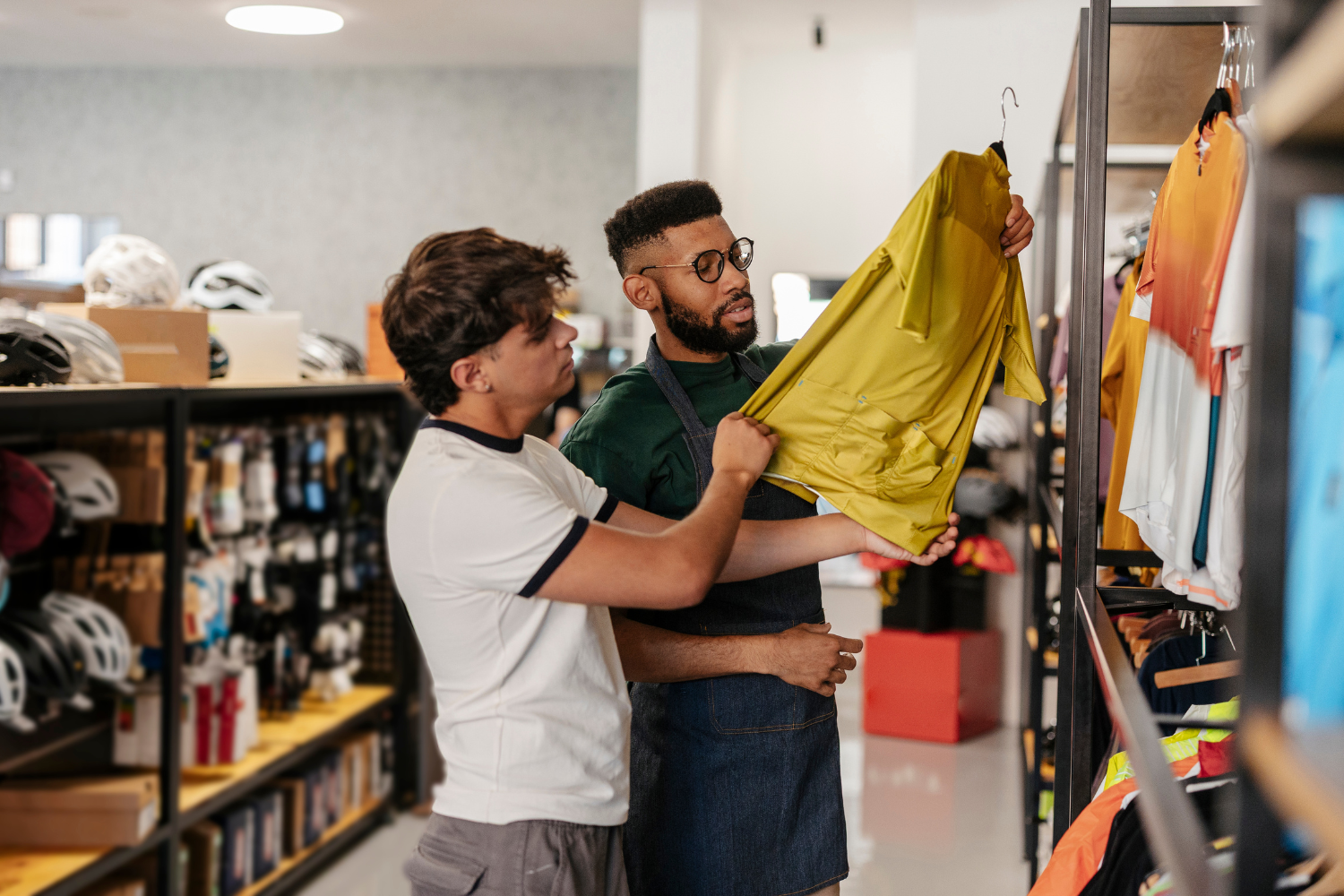
Permanent retail colleagues often carry the hidden cost of Christmas: training new starters, covering gaps and extending effort when plans change. Their commitment matters, but it cannot be the staffing strategy. Review footfall, deliveries, collections, returns and opening hours, then compare that work with contracted capacity.
Give seasonal colleagues clear responsibilities
New starters should know what they are expected to do and what requires an experienced colleague. Create concise guides for tills, shop floor, stockroom and fulfilment, including systems and escalation routes. Match duties to demonstrated capability and provide a named buddy. Review access and safety requirements before deployment.
Schedule training
Training takes time, so protect it in the rota. Nominate trainers by shift, use demonstrations and check-backs, and record what has been covered. Recognise trainer workload and update guidance when processes change. A short end-of-shift check can identify a problem before it becomes a customer incident.
Build fair, visible rotas
Publish with reasonable notice and avoid relying on the same dependable people for every late finish or difficult shift. Rotate responsibilities where possible and monitor consecutive demanding shifts. Schedule cover so breaks are real. Use one source of truth for swaps and late changes, considering caring responsibilities and travel after late shifts.
Fairness does not mean identical shifts, but workload and disruption should be visible and addressed.
Keep communication practical
Start-of-shift briefings should clarify priorities, staffing and pressure points. Invite safety, workload and customer concerns early. Recognise specific contributions and show what changed because of feedback. A colleague should know whom to approach about an unsafe task, broken device, abusive interaction or queue needing support.
Give managers permission to prioritise
Agree which standards cannot be compromised, which work can wait and when to request support. A simple escalation plan should cover absence, system problems, customer incidents and unsafe workload. Set realistic expectations for audits, visual standards and administration when customer and safety pressure is high. A visible decision to defer low-priority work is better than silently asking colleagues to absorb everything.
Review and retain learning
After Christmas, ask permanent staff what created pressure and what helped. Review absence, overtime, turnover and recurring problems without treating any one measure as complete. Use findings to improve next year’s hiring brief, training plan and budget. Keep useful seasonal colleagues connected where appropriate and make extension or end-of-contract conversations timely and respectful.
Conclusion
Protecting permanent colleagues requires capacity planning, defined seasonal roles, scheduled training, fair rotas and practical escalation. Leaders should measure the hidden work behind a busy shift and give managers authority to prioritise. The result is a safer, more sustainable peak and better evidence for the next hiring decision.
ZD Perspective
Seasonal recruitment should make Christmas more sustainable for permanent colleagues, not simply move the strain around. Leaders must count training, supervision and recovery as part of the plan. Clear responsibilities help new starters contribute sooner, while fair rotas and protected breaks give experienced colleagues capacity to make good decisions. Effective managers are visible, realistic and willing to prioritise when demand exceeds capacity. Retailers that listen after peak can turn difficulty into practical learning. The reward is not only a smoother Christmas; it is a permanent team more willing to return to the next peak with confidence.
FAQs
How can seasonal staff help without creating more work?
Give defined duties, concise induction and named support.
How should managers protect breaks?
Schedule cover in advance and treat breaks as part of the rota.
Should permanent staff train every hire?
Share training across nominated colleagues and protect time for it.
What should happen after Christmas?
Collect feedback, review workload and improve future staffing and onboarding.
< Back to list


